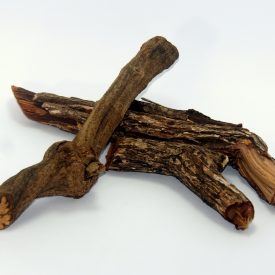
Descrição Biocultural
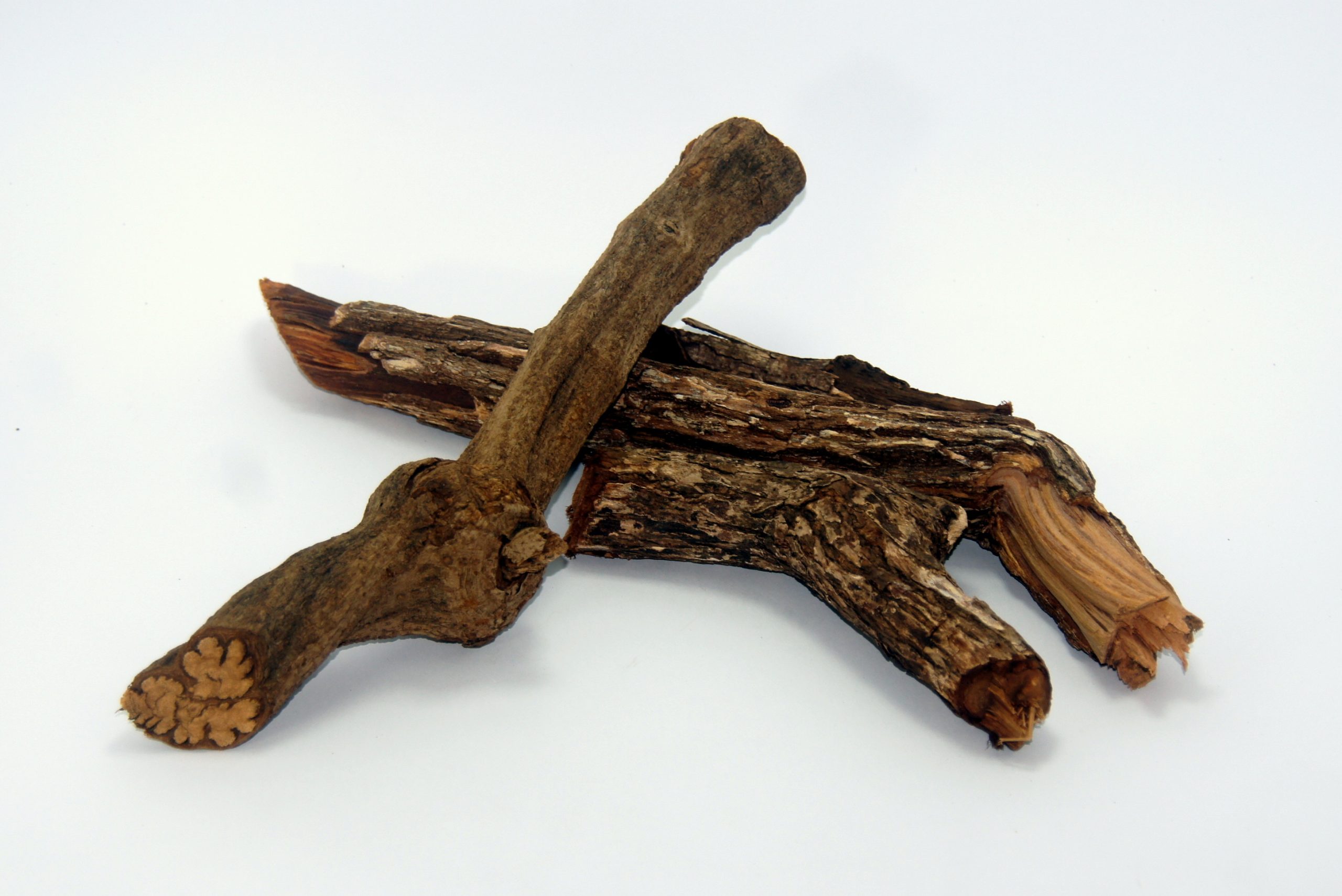
Indicação Biocultural: O cipó mariri pertence ao gênero Banisteriopsis , família Malpighiaceae. É nativo da Amazônia e dos Andes e contêm os alcalóides β-carbolinas harmina (HRM), harmalina (HRL) e tetrahidroharmalina (THH). A harmina e a harmalina possuem a capacidade de inibir reversivelmente a enzima monoamino oxidase (MAO). Esta enzima é responsável pela degradação da noradrenalina, serotonina e também a dopamina. O cipó juntamente com o arbusto Psychotria viridis conhecida como Chacrona, fornecem a matéria-prima da produção do chá Ayahuasca. O uso da ayahuasca é parte da cultura ancestral de várias tribos da região amazônica do Brasil, Peru e Bolívia incluindo os Ashaninkas, Kaxinawás, Ticunas e Tucanos. A partir da década de 1930 o chá foi introduzido nos rituais de religiões cristãs no Brasil, se perpetuando até os dias atuais. Na preparação da ayahuasca, o cipó é misturado junto as folhas da chacrona e fervido por três dias.
Biocultural Indication: Mariri vine belongs to the genus Banisteriopsis, family Malpighiaceae. It is native to the Amazon and the Andes and contains the alkaloids β-carbolines harmine (HRM), harmaline (HRL), and tetrahydroharmaline (THH). Harmine and harmaline have the ability to reversibly inhibit the enzyme monoamine oxidase (MAO). This enzyme is responsible for the degradation of norepinephrine, serotonin, and dopamine. The vine, together with the shrub Psychotria viridis, known as Chacrona, provide the raw material for the production of Ayahuasca tea. The use of ayahuasca is part of the ancestral culture of several tribes in the Amazon region of Brazil, Peru, and Bolivia, including the Ashaninkas, Kaxinawás, Ticunas, and Tucanos. Starting in the 1930s, the tea was introduced into Christian religious rituals in Brazil, where it continues to be used today. In the preparation of ayahuasca, the vine is mixed with chacrona leaves and boiled for three days.
Nome da planta - objeto - produto
Cipó Mariri
Número de Registro Etno
MFS_000317_etn
Categoria
País
Estado
Município
Local da Obtenção
Matéria prima
Partes Usadas
Família e Nome Científico
Nome Vernacular
Doador
Ano de Entrada
2017